
Meet Cody Forehand
10+ Years in Employee Benefits · Carrier + Advisory Experience

I understand what expenses mean to a business and what insurance means to a family.
I grew up in my family’s small auto-parts and oilfield-supply business. From an early age, I saw what it takes to keep a business moving: long days, difficult decisions, personal sacrifice, and a willingness to do whatever needs to be done.
In a family business, expenses are never just numbers on a spreadsheet. They affect the owner taking the risk, the employees depending on a paycheck, the customers counting on you, and the family waiting at home.
That experience shaped the way I think about business today. It taught me to value hard work, take responsibility seriously, and treat every dollar as something that was earned – not something to be spent carelessly (still learning that one 😉).
Hard work is part of our family story.
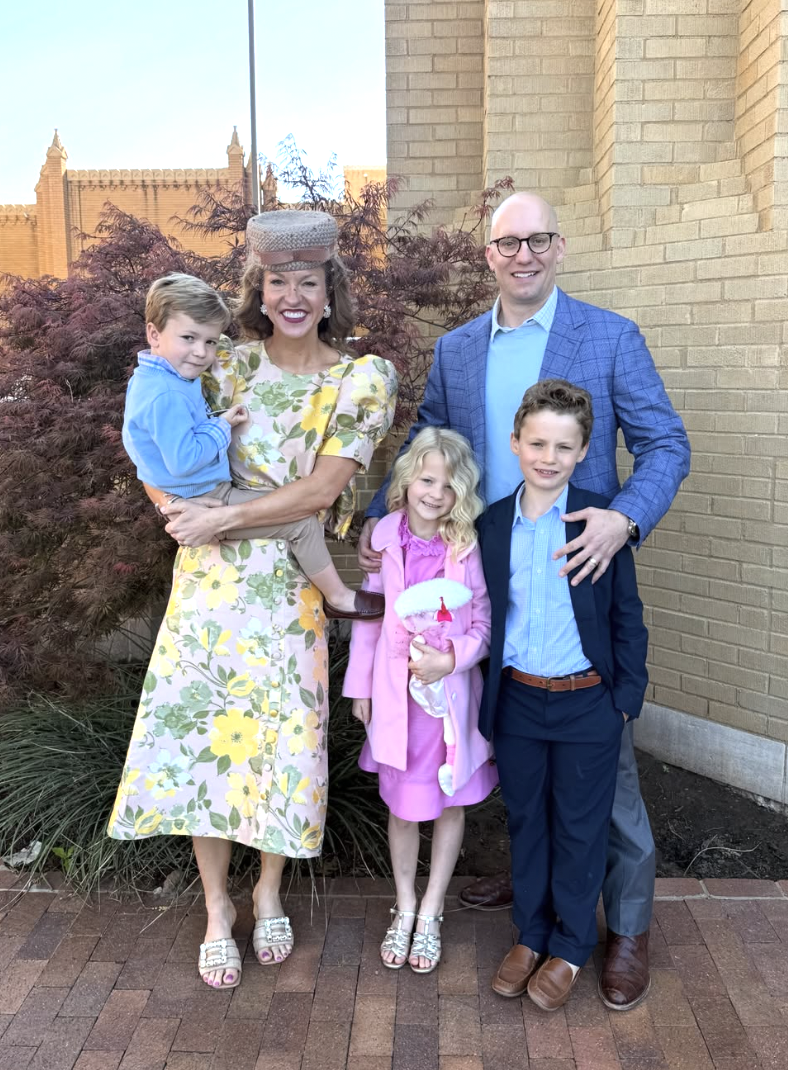
Today, I’m a husband and a dad of three. The values I learned growing up—work hard, take care of people, keep your word, and leave things better than you found them—are the same values I want to instill in my own children.
Being a father has also changed the way I measure success. Professional accomplishments matter, but so do the example I set at home, the time I invest in my family, and the kind of person my children see when life becomes difficult.
I want them to understand that hard work is not only about achievement. It is about showing up, serving others, persevering when things do not go as planned, and taking care of the people who depend on you.
Then life changed in an instant.
In 2022, I suffered a traumatic brain injury during a skiing accident. I was airlifted to a trauma center, and the resulting medical bills came to nearly half a million dollars.
Recovery forced me to slow down and reconsider many of the things I had previously taken for granted. It gave me a new appreciation for resilience, gratitude, family, faith, and the people who step forward when life becomes uncertain.
It also made the purpose of insurance intensely personal.
Insurance can feel like paperwork, payroll deductions, premiums, deductibles, and contract language – until the moment your family truly needs it. Then it becomes access to care, financial protection, stability, and the ability to focus on recovery rather than wondering how one event might derail everything you have worked to build.
I was fortunate to have meaningful protection in place. Many working families are not nearly as protected as they believe they are.
Why I work in employee benefits
That combination of experiences – growing up in a small business and later facing a major medical event—shapes the way I approach employee benefits.
I understand why employers need to control costs. Benefits are often one of a company’s largest expenses, and leadership has a responsibility to use those dollars carefully.
I also understand what those benefits mean to an employee and their family when something goes wrong.
My job is to help employers serve both realities.
I work in Employee Benefits , helping organizations evaluate how their benefits programs are structured, funded, and experienced by employees. Rather than simply shopping the same plan among different insurance carriers, I look at the broader picture: employer investment, contribution strategy, employee affordability, plan design, funding arrangements, financial exposure, and available alternatives.
Experience grounded in advocacy and transparency
I have spent more than a decade working in the employee-benefits industry. Before joining BancFirst Insurance Services, I led key-account sales efforts in Oklahoma for UnitedHealthcare. My experience on both the carrier and advisory sides of the industry has given me a clearer understanding of how health plans are priced, presented, and ultimately experienced by employers and employees.
My practice is rooted in two principles: advocacy and transparency.
Employers deserve to understand:
- Where their benefits dollars are going
- What is driving increases
- Which alternatives have actually been evaluated
- Where employees may remain financially exposed
- Whether the current structure is accomplishing what it is supposed to accomplish
The goal is not change for the sake of change. It is to understand the current program clearly, identify meaningful opportunities, and recommend action only when it is warranted.
Protecting people and the businesses they help build
I believe a strong benefits strategy should protect a company’s financial health while also providing meaningful protection for its employees.
Those objectives do not always have to compete.
With the right analysis, employers may be able to improve how their benefits dollars are used, reduce unnecessary financial exposure, and create coverage that employees can better afford, understand, and rely on.
That belief also led me to create Project $2 Million, an initiative that tracks documented financial relief created through smarter benefits structures, improved employee affordability, and more efficient employer spending. The project is intended to make the impact measurable – not simply promise that a plan is “better.”
At the end of the day, my work is about more than insurance.
It is about respecting the work that went into building a business, protecting the people who help make that business successful, and preparing families for the moments no one expects.
No gimmicks. No pressure. Just a thoughtful, disciplined approach to protecting your people and your bottom line.
Your benefits program deserves more than a routine renewal.
A Benefits Efficiency Review provides a disciplined second look at how your current program uses company and employee dollars – including cost, affordability, plan structure, financial exposure, and available alternatives.
No immediate carrier change or major decision is required. The first step is simply understanding the current program more clearly.